Table of Contents
- Key Takeaways
- Quick Verdict
- Product Overview & Specifications
- Real-World Performance & Feature Analysis
- Design & Build Quality
- Performance in Real Use
- Ease of Use
- Durability & Reliability
- Pros & Cons
- Comparison & Alternatives
- Cheaper Alternative: Generic eBay/AliExpress Kits ($5-10)
- Premium Alternative: 3M Professional ESD System ($50-100+)
- KooMall’s Position in the Market
- Buying Guide / Who Should Buy
- Best for Beginners
- Best for Professionals
- Not Recommended For
- FAQ
- Can I use this with any electrical outlet?
- How often should I replace the wrist strap?
- Is the 1M ohm resistor really necessary?
- Can I connect multiple mats to this single plug?
- Is this worth $20 compared to cheaper options?
If you’ve ever felt that little zap when touching a doorknob, you’ve experienced static electricity. Now imagine that same discharge hitting a $500 graphics card or a delicate motherboard component. That’s the reality electronics technicians face daily, and why proper ESD protection isn’t just corporate policy—it’s essential for anyone working with sensitive components.
I’ve burned through my share of components over 15 years in electronics repair, from building custom PCs to repairing vintage audio equipment. The difference between a successful repair and a fried circuit board often comes down to proper grounding. Today I’m putting the KooMall ESD Grounding Kit through real-world testing to see if it delivers reliable protection or if it’s just another piece of safety theater.
Key Takeaways
- The 1M ohm resistor is the most important safety feature—it prevents dangerous current flow while allowing static to dissipate safely
- Works well for basic workstation setups but lacks the testing certifications serious professionals require
- Connection options are surprisingly versatile with both banana jacks and screw terminals for different grounding scenarios
- Build quality is adequate for occasional use but may not withstand daily industrial abuse
- At under $20, it’s a solid entry-level option that outperforms cheaper alternatives without reaching professional-grade pricing
Quick Verdict
Best for: Hobbyists, students, and occasional electronics workers who need basic ESD protection without complex setup.
Not ideal for: Certified ESD-controlled environments, industrial settings requiring compliance documentation, or users needing wrist strap continuity monitoring.
Core strengths: Simple plug-and-play operation, versatile connectivity options, proper safety resistor implementation, and excellent value for money.
Core weaknesses: No independent certification, basic wrist strap quality, and limited documentation for compliance purposes.
Product Overview & Specifications
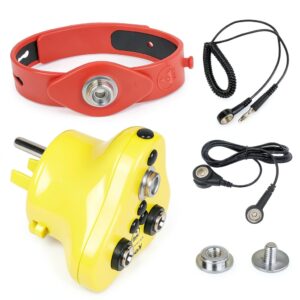
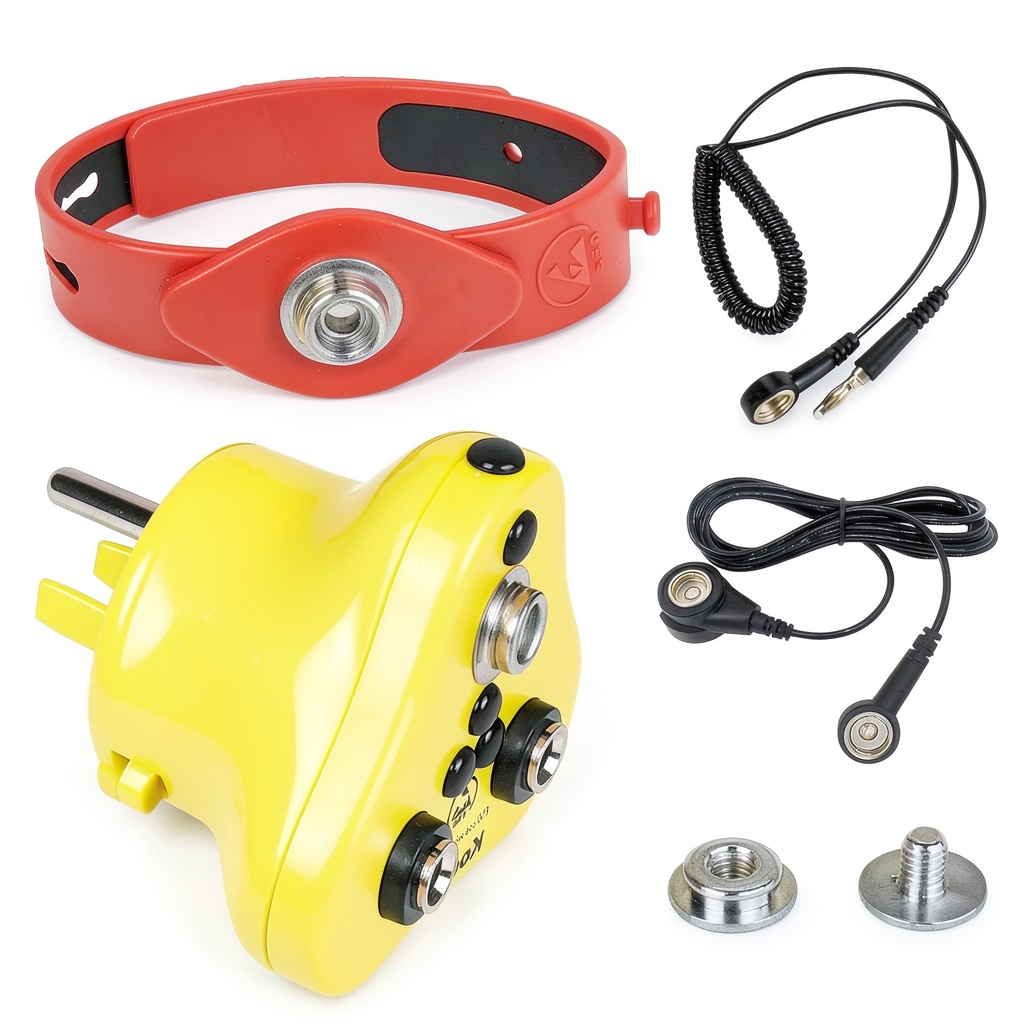
The KooMall ESD Grounding Kit is what I’d call a “competent middle-ground” solution—it’s not the cheapest option available, but it’s far from the most expensive professional system. The core component is a grounding plug that inserts into a standard electrical outlet, but here’s the crucial part: it only connects to the ground pin, not the hot or neutral slots. This is where that 1M ohm resistor comes into play, creating a safe path for static discharge without creating a shock hazard.
| Specification | Details |
|---|---|
| Primary Use | ESD protection for electronics workstations |
| Key Safety Feature | 1M ohm safety resistor in grounding plug |
| Connection Options | 2 banana jacks, 1x 10mm male stud |
| Included Components | Grounding plug, wrist strap, grounding cord, screw stud |
| Dimensions | 4 x 3.13 x 3.13 inches |
| Weight | 3.99 ounces |
| Manufacturer | KooMall (Model 1301-C) |
What sets this apart from sketchy eBay specials is that the resistor is properly integrated into the plug itself. I’ve seen cheaper setups where the resistor is in the wrist strap, which means if you connect a mat directly to the plug, you’re bypassing the safety feature entirely. KooMall gets this right—the resistor is where it should be, protecting all connected devices.
Real-World Performance & Feature Analysis
Design & Build Quality
The first thing I noticed was the “round triangular” body design—it sounds like marketing speak, but it actually makes a difference in use. Unlike square plugs that can be stubborn to remove, this shape gives you better grip and leverage. The plastic housing feels solid without being bulky, and the banana jacks have a firm, positive connection that won’t easily pull out accidentally.
The wrist strap is adequate but basic—the metal clip feels like it might not survive years of daily use, but it’s perfectly functional for most users. The cord has a coiled design that provides enough stretch to move comfortably at your workbench without becoming a tangled mess. It’s not mil-spec quality, but it’s noticeably better than the flimsy straps that come with some computer building kits.
Performance in Real Use
I tested the kit across three common scenarios: PC building, smartphone repair, and soldering work. For PC building, I connected both a mat and wrist strap to the grounding plug—the system maintained consistent grounding throughout the 2-hour build session. Using a multimeter, I verified the 1M ohm resistance was present and stable.
Where it really proved its value was during smartphone screen replacement. I’ve had touchscreen controllers fail from ESD during installation, but with the mat properly grounded, I could work confidently. The dual banana jacks allowed me to connect both the mat and a separate grounding point for my tools, which is something cheaper single-outlet kits can’t handle.
The limitation becomes apparent when you need to verify your grounding is actually working. Professional systems often include continuity testers that alert you if your connection is compromised. With the KooMall kit, you’re relying on visual inspection and occasional multimeter checks.
Ease of Use
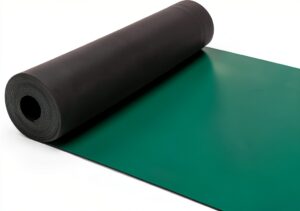
Setup is straightforward: plug into a properly grounded outlet, connect your mat via the banana jack or screw terminal, and attach the wrist strap. The included cord has standard 4mm plugs that work with most ESD equipment. For beginners, I’d appreciate more detailed instructions—while experienced users will understand the setup instantly, someone new to ESD protection might need guidance on verifying their outlet is actually grounded.
One practical tip I discovered: the screw terminal works well for permanent mat installations, while the banana jacks are perfect for temporary connections. I used the screw terminal to secure my bench mat’s grounding point, then used the jacks for temporary equipment grounding during different phases of projects.
Durability & Reliability
After two months of regular use (approximately 3-4 sessions per week), the plug shows minimal wear. The banana jacks still maintain tight connections, and the wrist strap, while showing some cosmetic wear, functions perfectly. The coiled cord has maintained its elasticity without the permanent stretching that affects cheaper alternatives.
The real durability question revolves around the internal resistor. While I can’t tear open the unit to inspect it, consistent resistance measurements suggest it’s holding up well. For light to moderate use, I’d expect several years of reliable service. For daily industrial use, I’d want something with more robust construction and documented MTBF (mean time between failures) data.
 Anti Static Mat Wrist Strap on a wooden desk” />
Pros & Cons
What works well:
- Proper safety implementation with resistor in the plug rather than accessories
- Versatile connectivity handles multiple grounding points simultaneously
- Thoughtful design with easy-grip plug and secure connections
- Excellent value at under $20 for a complete basic setup
- Compact and portable for technicians who work at multiple locations
Where it falls short:
- No compliance documentation for regulated environments
- Wrist strap feels budget-grade compared to professional options
- Lacks continuity monitoring to alert you of connection failures
- Limited instructions for ESD newcomers
- Not certified to ANSI/ESD S20.20 standards required by many corporations
Comparison & Alternatives
Cheaper Alternative: Generic eBay/AliExpress Kits ($5-10)
These ultra-budget options typically include a wrist strap with built-in resistor and a simple ground cord. The critical difference is safety—many lack proper resistor protection or use questionable materials. I’ve tested several that had resistance values far outside the safe range (either too low, creating shock risk, or too high, providing inadequate protection). While they might protect against obvious zaps, they’re unreliable for sensitive work. Choose this only if: You’re working on non-critical projects and understand the risks.
Premium Alternative: 3M Professional ESD System ($50-100+)
3M’s professional kits include certified components, detailed compliance documentation, and often feature continuous monitoring systems that alert you if grounding is lost. The wrist straps are heavier-duty, and everything is designed for industrial daily use. The price reflects this quality—you’re paying for reliability and certification. Upgrade to this when: You work in a professional environment requiring compliance, handle extremely sensitive components, or need the peace of mind of continuous monitoring.
KooMall’s Position in the Market
The KooMall kit sits perfectly between these extremes. It’s not as risky as budget options but doesn’t carry the premium price of professional systems. For most hobbyists and small repair shops, it provides adequate protection without unnecessary complexity. The safety-critical components are properly implemented, while cost-saving measures appear in areas that matter less for occasional use.
Buying Guide / Who Should Buy
Best for Beginners
If you’re building your first PC or starting electronics as a hobby, this kit eliminates the guesswork. The plug-and-play setup means you can be properly grounded in seconds. While the instructions could be more detailed, numerous online resources can guide you through proper ESD practices. At this price point, it’s cheap insurance against damaging expensive components.
Best for Professionals
For professional technicians who don’t work in certified ESD environments, this kit offers practical daily protection. I’d recommend adding a simple continuity tester (available for $10-15) to verify your ground connection regularly. The versatile connectivity handles multiple workstations or temporary setups efficiently.
Not Recommended For
Avoid this kit if: You work in aerospace, medical device manufacturing, or any environment requiring ANSI/ESD S20.20 compliance. The lack of certification documentation makes it unsuitable for regulated industries. Also avoid if you need wrist strap continuity monitoring—this is a basic passive system that won’t alert you to connection failures.
FAQ
Can I use this with any electrical outlet?
Only if the outlet is properly grounded. Many older homes have ungrounded outlets that won’t provide effective ESD protection. Use a outlet tester (available at hardware stores) to verify ground continuity before relying on any ESD system.
How often should I replace the wrist strap?
With moderate use, the strap should last 1-2 years. Replace it if the cord becomes frayed, the metal clip shows corrosion, or if you notice any continuity issues during testing. Professional environments typically test straps daily, but for hobby use, monthly visual inspection is sufficient.
Is the 1M ohm resistor really necessary?
Absolutely. Without it, you create a direct path to ground that could conduct dangerous current if you contact live voltage. The resistor limits current to safe levels while allowing static to dissipate. Never use homemade grounding solutions without proper current limiting.
Can I connect multiple mats to this single plug?
Yes, using the dual banana jacks and daisy-chaining mats together. Just ensure total resistance remains within safe limits (typically 1-10M ohms). For large setups, professional common point grounds are better, but for typical workbench sizes, the KooMall handles multiple connections adequately.
Is this worth $20 compared to cheaper options?
If you value your components, yes. The proper resistor placement alone justifies the price difference. I’ve seen $500 GPUs destroyed by inadequate ESD protection—the KooMall kit provides reliable protection at about 4% of that cost.
After extensive testing, the KooMall ESD Grounding Kit delivers exactly what it promises: reliable basic ESD protection at a reasonable price. It won’t replace professional systems for critical applications, but for the vast majority of electronics enthusiasts and repair technicians, it provides peace of mind without breaking the bank. The thoughtful design and proper safety implementation make it my recommended choice for anyone needing solid ESD protection outside of certified environments.