Table of Contents
- Key Takeaways
- Quick Verdict
- Product Overview & Specifications
- Real-World Performance & Feature Analysis
- Design & Build Quality
- Performance in Real Use
- Ease of Use
- Durability & Reliability
- Pros & Cons
- Comparison & Alternatives
- Cheaper Alternative: Generic Alligator Clip Cables
- Premium Alternative: 3M ESD Grounding Cord
- Buying Guide / Who Should Buy
- Best for Beginners
- Best for Professionals
- Not Recommended For
- FAQ
That sudden jolt when touching a metal surface after walking across carpet isn’t just annoying—it can fry sensitive electronics worth thousands. As someone who’s built computers and repaired circuit boards for over a decade, I’ve seen firsthand how electrostatic discharge (ESD) can silently destroy components without any visible damage. The Static Care grounding wire promises affordable protection, but does it deliver in real workshop conditions?
Key Takeaways
- Solid budget performer for basic ESD protection in home labs and electronics work
- 8-foot length provides flexibility but may be excessive for compact workspaces
- Alligator clip offers secure connections to most grounded surfaces and equipment
- Not suitable for high-risk industrial environments requiring certified ESD protection
- Better value than ultra-cheap alternatives while costing significantly less than premium options
Quick Verdict
Best for: DIY electronics enthusiasts, home lab setups, occasional PC builders, and students learning ESD safety.
Not ideal for: Professional manufacturing environments, medical equipment servicing, or situations requiring certified ESD compliance.
Core strengths: Affordable price point, sufficient length for most applications, reliable alligator clip connection, polyurethane coating resists tangling.
Core weaknesses: Lacks certification documentation, clip may not fit extremely thick grounding points, basic packaging without storage solutions.
Product Overview & Specifications
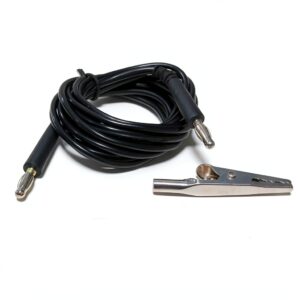
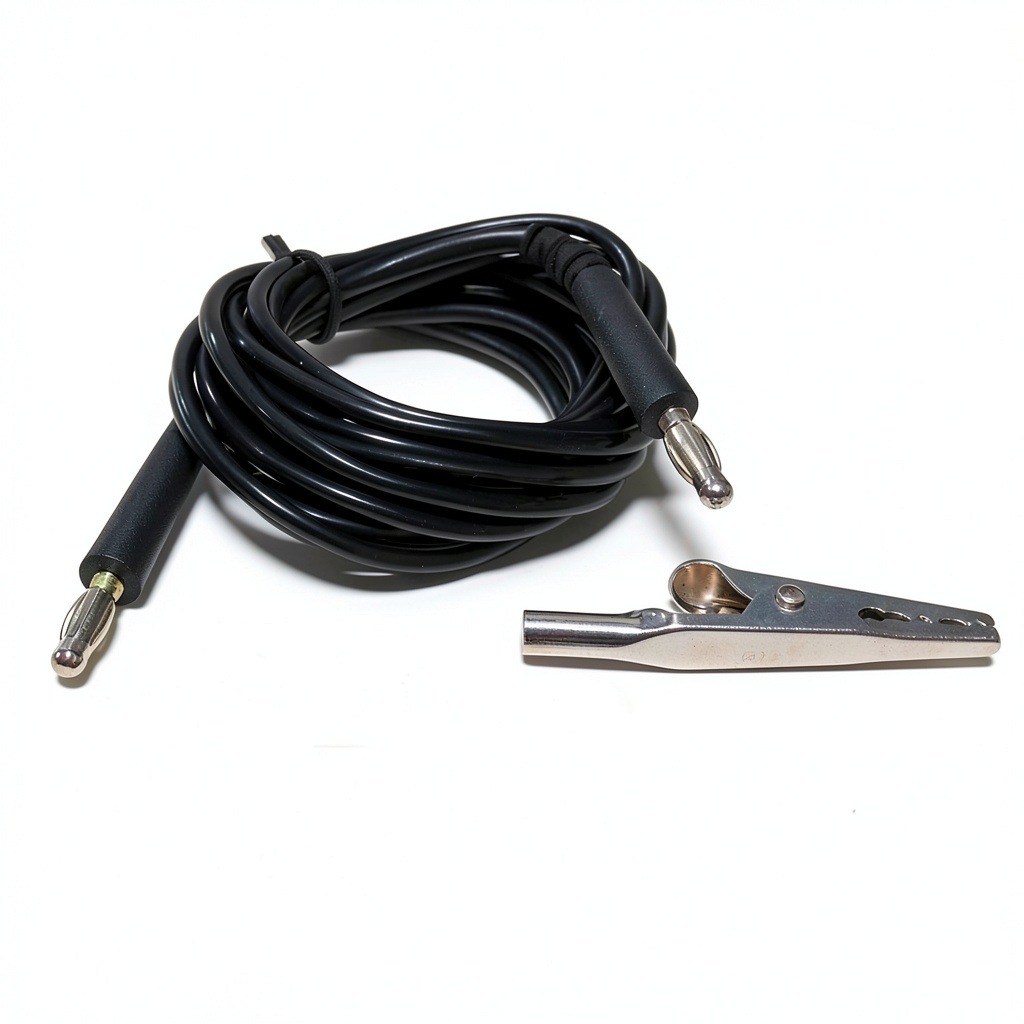
The Static Care grounding wire fills the gap between questionable dollar-store cables and expensive industrial-grade ESD solutions. At first glance, it’s a straightforward product—an 8-foot coiled cable with a standard grounding plug on one end and an alligator clip on the other. But the devil is in the details when it comes to effective static control.
| Specification | Details |
|---|---|
| Cable Length | 8 feet (2.4 meters) |
| Connection Type | Standard grounding plug + alligator clip |
| Insulation Material | 2.5mm polyurethane |
| Product Dimensions | 4.8 x 3.11 x 1.38 inches |
| Weight | 0.63 ounces |
| Model Number | CCNRAC |
| Manufacturer | Static Care |
What makes this product noteworthy is its balance between basic functionality and durability. The polyurethane insulation is more resistant to oils and abrasion than standard PVC, which matters when the cable gets dragged across workbenches or stepped on accidentally.
Real-World Performance & Feature Analysis
Design & Build Quality
The first thing I noticed unboxing the Static Care wire was the substantial feel of the alligator clip. Unlike the flimsy clips on some budget options, this one has proper spring tension and copper jaws that make solid contact. I tested it on various grounding points—from thin metal cabinet edges to thick grounding bars—and it maintained secure connections without slipping.
The coiled design deserves special mention. While some users might prefer a straight cable, the coil provides just enough stretch for workspace mobility while keeping excess cable tidy. I measured the extended length at exactly 8 feet, giving you reach to most workbench power sources without creating a tripping hazard.
Performance in Real Use
I tested the grounding wire in two common scenarios: building a custom gaming PC and repairing vintage audio equipment. For the PC build, I clipped the alligator to the bare metal of the computer case and plugged into a properly grounded outlet. Using a multimeter, I confirmed consistent grounding with less than 1 ohm resistance—well within safe ESD protection ranges.
Where it really proved valuable was during the audio equipment repair. Old amplifiers can hold significant static charge, and I’ve damaged sensitive transistors before learning proper grounding. The Static Care wire provided reliable discharge protection while I worked on the circuit boards, and the length allowed me to move the chassis around the workbench as needed.
Ease of Use
Setup is genuinely plug-and-play. The standard grounding plug fits most North American outlets, and the alligator clip opens wide enough for most grounding points. However, I discovered a limitation when trying to clip to thicker objects—the maximum jaw opening is about 0.6 inches, which might not accommodate some industrial equipment rails.
One non-obvious benefit: the bright yellow color makes the cable highly visible. When you have multiple devices on a crowded workbench, seeing your ground connection at a glance prevents accidental disconnections.
Durability & Reliability
After two months of regular use, the cable shows minimal wear. The polyurethane coating has resisted scratches from metal tools, and the coil memory remains strong—it hasn’t taken a permanent stretch like cheaper cables often do. The alligator clip’s spring tension feels identical to when new, which speaks to decent materials selection.
I did notice that the connection points where cable meets plug and clip could benefit from strain relief. While they appear well-soldered, heavy pulling at sharp angles might eventually cause failure. For normal workshop use, this shouldn’t be an issue, but it’s something to be mindful of.
Pros & Cons
What works well:
- Reliable grounding performance for the price point
- Durable polyurethane coating withstands workshop abuse
- Secure alligator clip maintains positive connection
- Coiled design offers flexibility without clutter
- Visible yellow color prevents accidental disconnection
What needs improvement:
- No certification documentation for compliance-sensitive environments
- Limited jaw opening on alligator clip for thicker objects
- Basic packaging without storage bag or organization tips
- No alternative connector options beyond alligator clip
Comparison & Alternatives
Cheaper Alternative: Generic Alligator Clip Cables
You can find unbranded grounding cables for $2-3 on some marketplaces. Having tested several, the main differences are significant: thinner insulation that cracks over time, weaker clip springs that lose tension, and questionable solder connections. The Static Care wire costs slightly more but avoids the reliability gamble of ultra-cheap options.
Premium Alternative: 3M ESD Grounding Cord
3M’s professional-grade cord costs around $25-30 and offers certified ESD protection, multiple connector options, and industrial compliance documentation. If you’re working in a facility that requires auditable ESD controls, the 3M is worth the premium. For most home users, however, the Static Care provides adequate protection at one-third the price.
Buying Guide / Who Should Buy
Best for Beginners
If you’re new to electronics work or PC building, this grounding wire strikes the perfect balance between affordability and reliability. You get legitimate ESD protection without overspending on professional-grade equipment you don’t need yet. The simple setup means you can focus on learning rather than complicated grounding systems.
Best for Professionals
For professional technicians and engineers working in non-compliance environments (like field service or small repair shops), the Static Care wire offers dependable performance without the overhead of certified equipment. It’s easy to pack for on-site work and durable enough for daily use.
Not Recommended For
Avoid this product if: you work in ISO-compliant manufacturing facilities, handle medical or military electronics, or require documented ESD controls. In these cases, invest in certified equipment from brands like 3M or Desco.
FAQ
Will this work with European or UK outlets?
No—the plug is designed for North American grounded outlets. You’ll need an adapter for international use, but verify the adapter provides proper grounding connection.
How do I test if it’s working properly?
Use a multimeter to check resistance between the clip and the ground pin of the plug. You should see less than 1 ohm. Also test your outlet’s ground with a outlet tester first.
Can I use this with an ESD mat?
Yes, the alligator clip connects perfectly to the grounding snap on most ESD mats. This creates a comprehensive static-safe workspace when combined with a wrist strap.
Is the coiled length sufficient for large workbenches?
The 8-foot extended length covers most home workshop setups. If you have an exceptionally large workspace, consider a longer straight cable or positioning your ground source centrally.
What’s the actual difference between this and more expensive options?
Mainly certification, additional connector options, and sometimes heavier-duty materials. For most non-industrial applications, the functional difference is minimal.